

Protect Painted Cabinets (Complete guide for long-lasting results)
If you paint your cabinets, your kitchen will look new, clean, and stylish. But here's the catch: they can lose their shine very quickly if you don't take care of them. Before you even know it, scratches, stains, and chips can show up.
That's why it's not just helpful to learn how to protect painted cabinets; it's necessary.
Why You Must Protect Painted Cabinets
Cabinets with paint on them are more fragile than wood or laminate surfaces. Daily use, heat, moisture, and cleaning mistakes can all easily damage them.
Here's why protection is important:
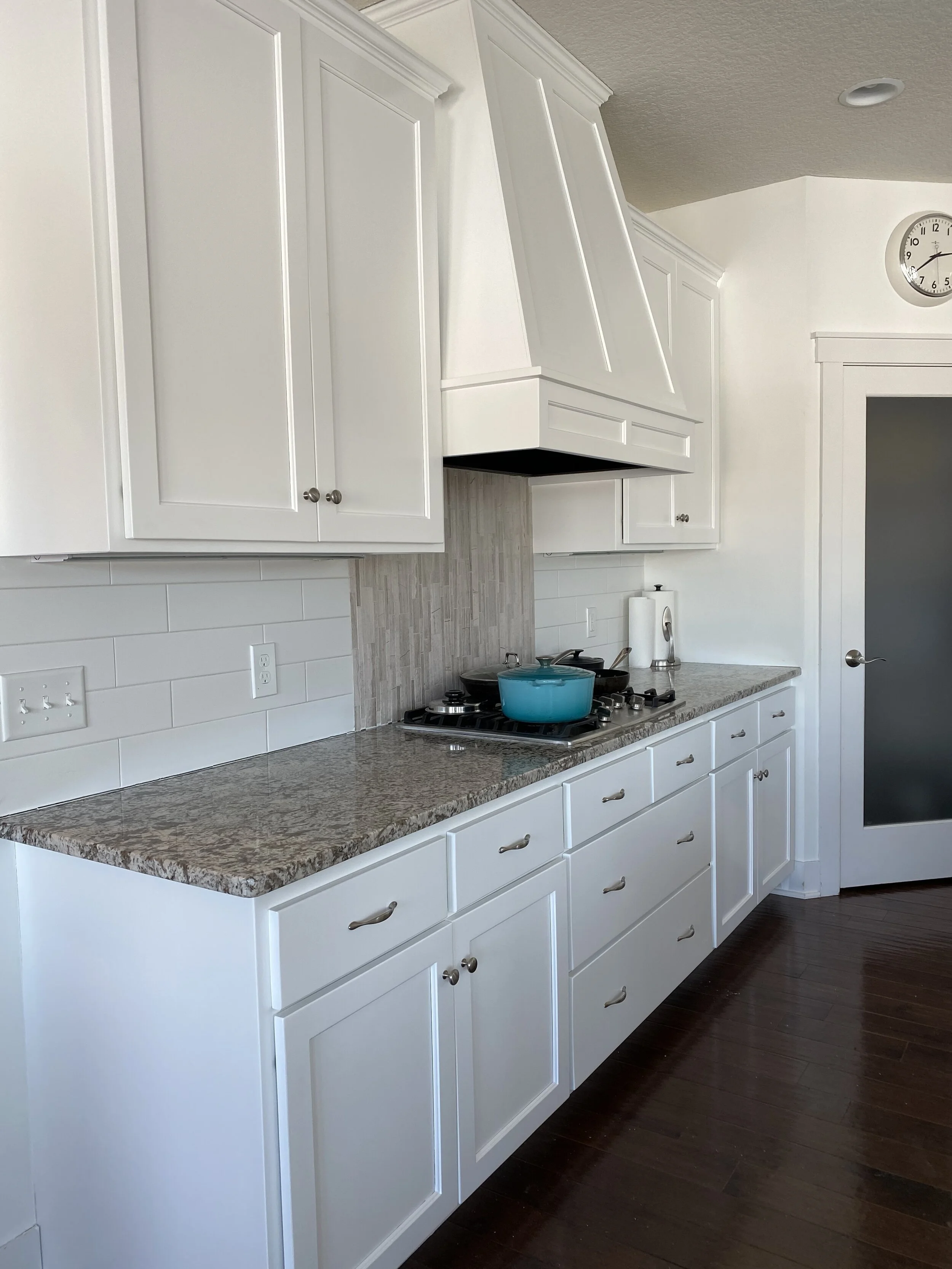
prevents scratches from regular usage and cutlery
prevents paint from cracking or peeling
maintains the colour's brightness and freshness.
Cleaning is easier
prolongs the life of cabinets
You save money in the long run by protecting the paint on your kitchen cabinets because you won't have to repaint them over and over.
Best Protection for Painted Cabinets (What Actually Works)
People often ask what the best way to protect painted cabinets is. The answer is easy: use the right finishing layer and take good care of it.
Let's take it apart.
Use a Cabinet Sealer or Top Coat
One of the best ways to protect painted cabinets is to use a thick topcoat or cabinet sealer.
Paint is protected with an effective cabinet paint sealer. By resting on top of the paint, it shields it from harm.
Typical options include:
Polyurethane (resilient and durable)
Polycrylic (transparent and non-yellowing)
Painted cabinet acrylic sealer (suitable for light hues)
If you're unsure about what to use, these sealers are the finest option for protecting painted cabinets.
Explore our expert tips and step-by-step guides to protect your painted cabinets the smart way
Choose the Right Finish
Finishes differ from one another. The type of finish you select is crucial for preserving cabinet paint.
Matte: seems smooth but is readily soiled
Satin: balanced and simple to clean
Semi-gloss: cleaning and durability are semi-gloss.
In most kitchens, the easiest approach to preserve paint on cabinets is to use satin or semi-gloss.
How to Protect Painted Cabinets from Scratches
Scratches are the most frequent issue. Daily actions, no matter how small, can cause surface damage.
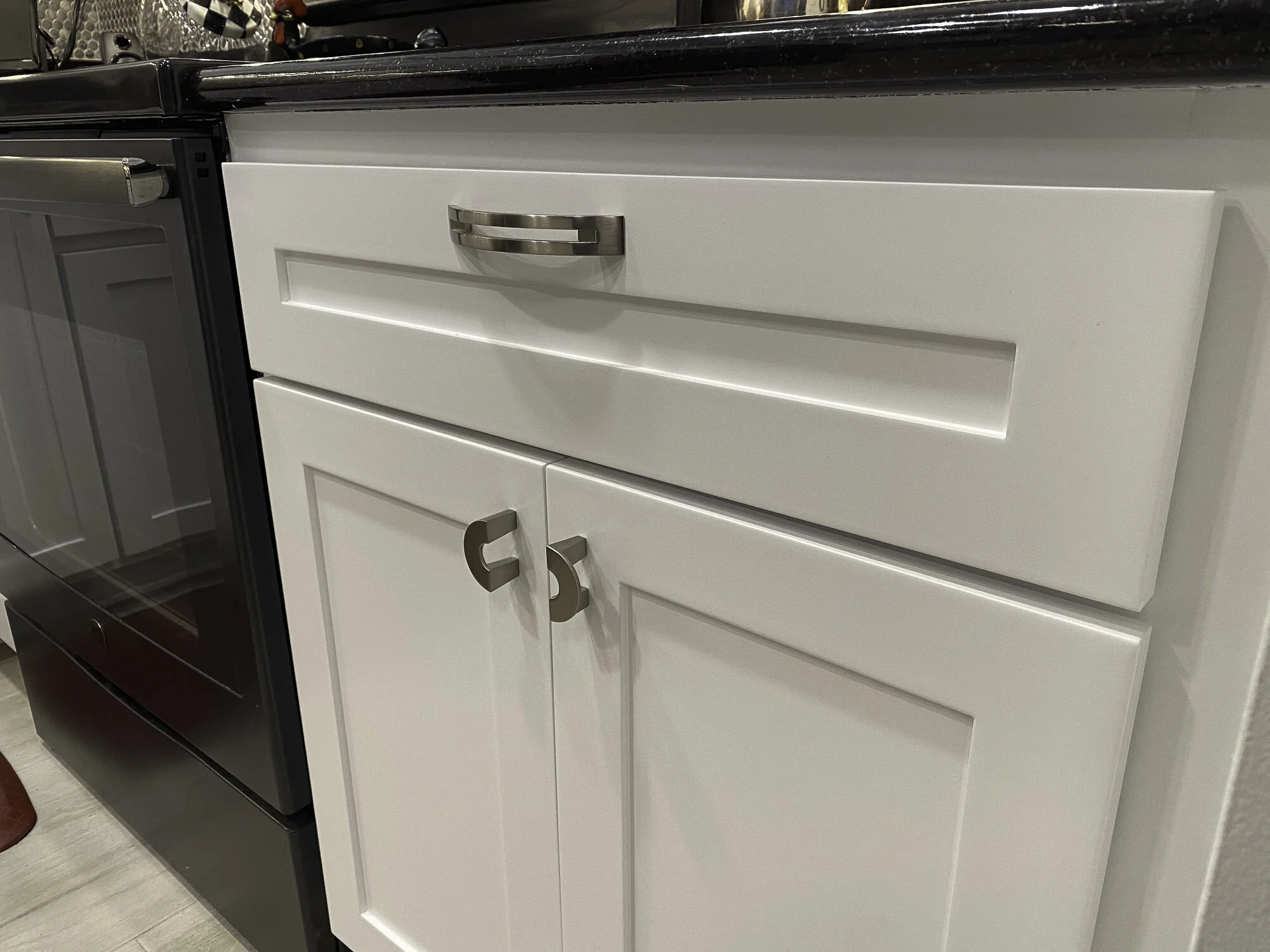
You can prevent scratches on your painted cabinets by following these simple steps:
To reduce the impact, use soft-close hinges.
Use cabinet handles rather than coming into close contact with paint.
Avoid dragging sharp objects over surfaces.
Place mats inside cabinets.
These minor details have a significant impact on the safety of painted cabinets.
How to Protect Painted Cabinets from Chipping
The paint layer chips when it is broken by an impact or inadequate protection.
Do this to prevent painted cabinets from chipping:
Painted cabinets should always have a thick top coat applied.
Avoid knocking on the cabinet doors.
Small chips should be fixed immediately to prevent further damage.
Keep cabinets dry since moisture weakens paint.
The top coat shields your paint from harm, much like armor.
Daily Kitchen Cabinet Paint Care Tips
Good practices are the first step in maintaining the paint on your kitchen cabinets. Even the greatest sealer will fail if you don't take care of it.
Here are a few simple methods to maintain the aesthetic appeal of your painted kitchen cabinets:
To clean, use a gentle cloth and a small amount of soap.
Avoid using scrubbers or strong chemicals.
Spills should be cleaned up immediately.
Keep oil off surfaces.
Dust frequently
These actions are crucial to maintaining the long-term aesthetic appeal of your cabinets.
Best Way to Protect Painted Cabinets in Busy Kitchens
The kitchen is packed with people. Heat, oil, and moisture are constant.
You need more robust defenses against this.
The best method for keeping painted cabinets secure in these sorts of locations is as follows:
Make use of a quality cabinet sealer.
To prevent oil from splattering, install a backsplash.
To remove moisture, use a fan.
To prevent accumulation, clean once a week.
This kitchen cabinet paint protection is quite effective.
What Can You Put on Painted Cabinets to Protect Them?
Many people are curious about what can be applied to painted cabinets to make them safe.
These are the top options:
Clear polyurethane coating
Polycrylic protective layer
Wax (for mild protection only)
Acrylic sealant for painted cabinetry
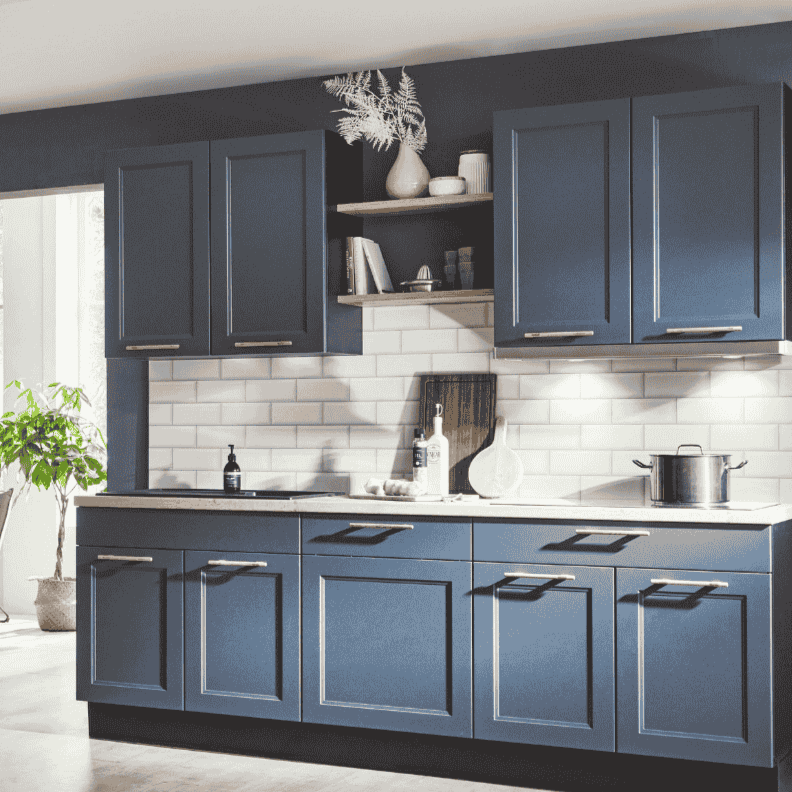
A powerful sealer is always preferable to wax for kitchens, but each option gives a different degree of protection for cabinet paint.
Common Mistakes that Damage Painted Cabinets
Even little errors might eventually destroy your cabinets.
Avoid doing these:
Using abrasive scrubbers
Cleaning using strong chemicals
Not applying the paint sealer for cabinets
Ignoring minor chips or scrapes
Water leaking over surfaces
Your cabinets may age more quickly than you anticipate if you ignore these.
Safety While Painting Cabinets
Before you even begin to secure cabinets, you need to consider their safety.
Here are some crucial points to keep in mind:
Work in an area with enough ventilation.
Put on masks and gloves.
Keep children away from paint.
Examine and adhere to the product's instructions.
As part of the upkeep of smart cabinet painting, safety is essential.
Long-Term Maintenance Schedule for Cabinet Painting
If you want your cabinets to last a long time, you need a straightforward layout.
This is a basic timetable:
Each week:
Light cleaning and dusting
Each month:
Deep washing using a mild soap
Every six to twelve months:
Check for chips and scratches.
Reapply the protective layer as needed.
This practice keeps your cabinets protected from damage and helps you remain ahead of the game.
Final Thought
Protecting your cabinets is simple if you know how.
If you use a decent cabinet sealer, apply a thick top coat for painted cabinets, and practice basic maintenance, your kitchen will remain fresh for many years.
One could argue that taking care of problems now will spare you a great deal of difficulty down the road.
Therefore, you need to consider both protection and maintenance if you truly want to know how to protect painted cabinets. The finest combination is that.
Let our experts help you choose the right cabinet sealer and protection method. Get in touch today for a quick consultation.
FAQs About Protecting Painted Cabinets
-
Strong cabinet paint sealers like polyurethane or polycrylic offer the finest protection. It produces a strong coating that guards against stains and scratches.
-
To protect painted cabinets, use handles, refrain from dragging stuff, and apply a protective top coat.
-
Although wax can provide some mild protection, it is insufficient for kitchens. It's always best to use a quality cabinet sealer.
-
As part of your cabinet painting maintenance regimen, clean once a week and inspect for damage every few months.
-
Avoid moisture accumulation, utilize mild cleaning techniques, and apply a long-lasting sealant. The best long-term solution is this one.
-
Chipping may be avoided with a premium top coat for painted cabinets, cautious use, and routine upkeep.